
De nombreux facteurs peuvent avoir un impact direct sur l'efficacité opérationnelle de votre entreprise, et l'un d'entre eux est le choix de votre outil de gestion des dépenses. Cela est particulièrement vrai si vous gérez des équipes réparties, plusieurs centres de coûts ou des paiements internationaux. Sur le marché européen, deux solutions populaires pour relever ces défis sont Wallester Business et Pleo. Les deux proposent des cartes virtuelles et des outils d'automatisation des dépenses. Cependant, elles reposent sur des infrastructures différentes et répondent à des besoins quelque peu différents.
Ci-dessous, nous détaillons les principales différences entre les deux pour vous aider à décider laquelle convient le mieux à votre écosystème financier.
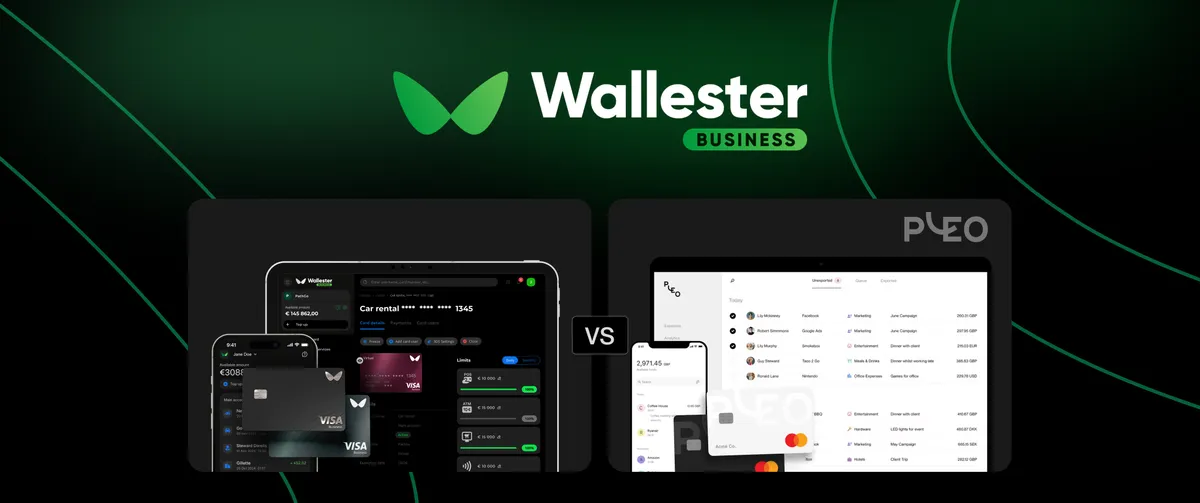
Aperçu de l'entreprise
Wallester Business
- Fondée en : 2016
- Siège social : Tallinn, Estonie
- Présence sur le marché : EEE + Royaume-Uni
- Services principaux : Cartes corporate Visa, suivi des dépenses en temps réel, intégrations comptables, accès API
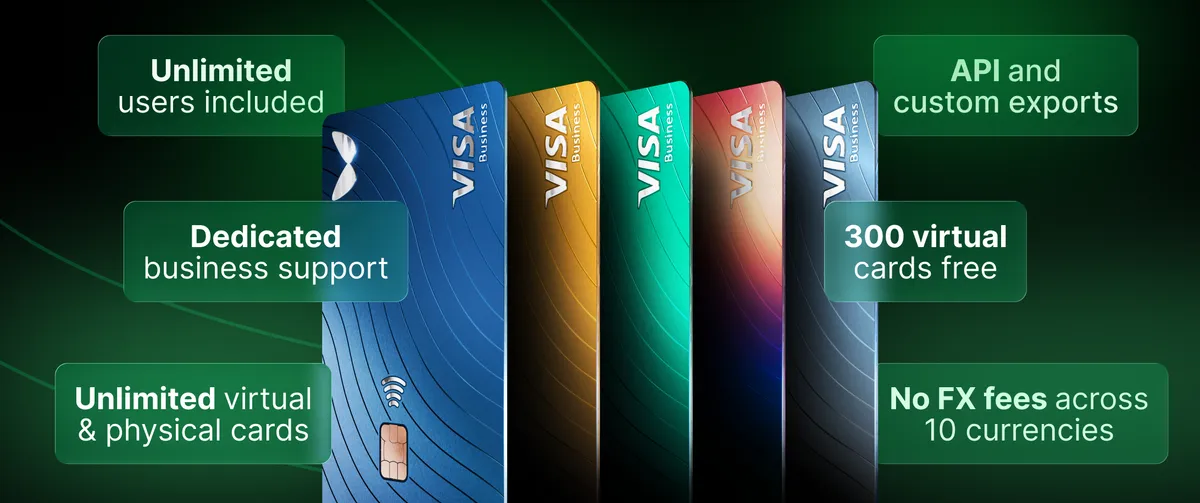
Wallester Business offre aux entreprises un accès instantané à 300 cartes virtuelles Visa gratuites, un nombre illimité de cartes physiques, et un tableau de bord en temps réel pour gérer les dépenses au sein des équipes. Elle est directement agréée en tant que membre principal Visa, ce qui signifie que Wallester émet elle-même les cartes et non par l'intermédiaire d'un tiers. La plateforme prend en charge 10 devises sans frais de change internes, et l'intégration est généralement finalisée en quelques heures.
Pleo
- Fondée en : 2015
- Siège social : Danemark (opérations au Royaume-Uni via B4B)
- Présence sur le marché : Royaume-Uni + UE
- Services principaux : Cartes d'entreprise intelligentes, automatisation des dépenses, gestion des factures, remboursements
Pleo est une plateforme de gestion des dépenses émise par un tiers, propulsée par B4B au Royaume-Uni. Elle propose des cartes d'entreprise intelligentes et une automatisation comptable, structurées autour de quatre forfaits payants — Starter (9,5 £/mois), Essential (45 £ → 39 £), Advanced (99 £ → 89 £) et Beyond (199 £ → 179 £) — avec une tarification promotionnelle temporaire actuellement en vigueur. Cependant, seuls 3 utilisateurs sont inclus par forfait, et les utilisateurs supplémentaires sont facturés séparément.
Comparatif des fonctionnalités
| Fonctionnalité | Wallester Business | Pleo |
|---|---|---|
| Comptes professionnels & IBAN | Non — infrastructure de cartes uniquement | Non — outil de cartes et de dépenses uniquement (pas de compte bancaire) |
| Partenaire d'émission de cartes | Membre principal Visa direct | Émises via un partenaire tiers (B4B) |
| Cartes virtuelles & physiques | Cartes virtuelles et physiques illimitées | Cartes incluses, mais usage plafonné par forfait |
| Émission de cartes & limites | 300 cartes virtuelles gratuites, sans frais d'émission | Maximum 3 utilisateurs inclus par forfait ; coût additionnel par siège |
| Cartes de paie | Disponible (versements en masse sur les cartes des employés) | Non disponible |
| Cashback & récompenses | Pas de cashback, mais économies grâce à l'émission gratuite | Cashback de 0,5 à 0,75 % sur les forfaits Advanced/Beyond |
| Tarification & abonnement | Utilisation gratuite ; tarification personnalisée pour les outils avancés | Forfaits payants uniquement — à partir de 9,5 £/mois ; forfaits supérieurs actuellement réduits |
| Gestion des dépenses | Suivi des dépenses en temps réel, règles budgétaires et capture des reçus | Automatisation complète avec approbations et contrôles |
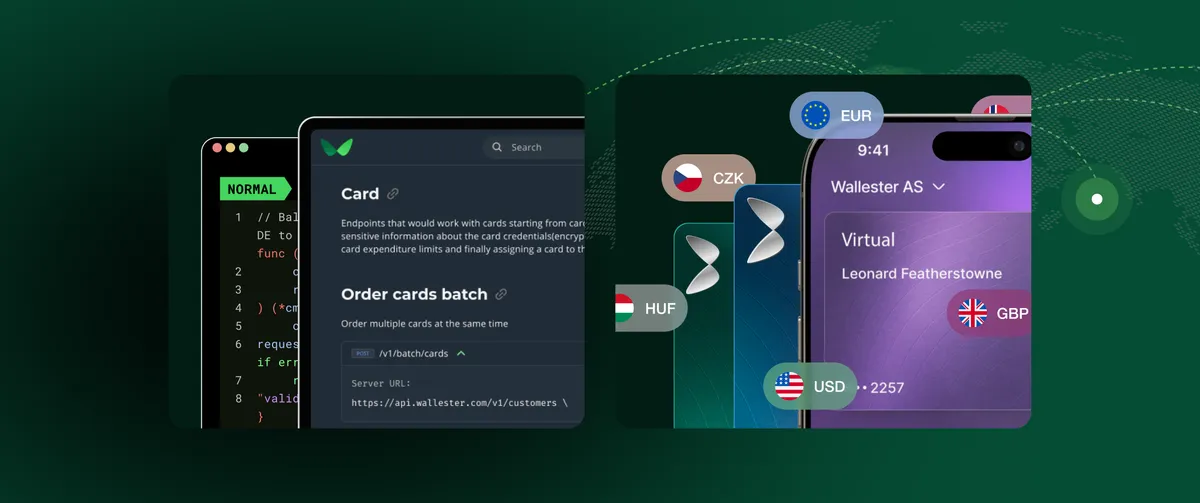
| Intégrations comptables | API et exports personnalisés ; se connecte aux principaux outils | Intégrations natives avec Xero, QuickBooks, NetSuite, etc. |
| Change de devises | Aucun frais de change sur 10 devises | Majoration de change de 1,49 % à 2,49 % selon le forfait |
| Support client | Support professionnel dédié | Par niveaux : téléphone/chat uniquement sur les forfaits supérieurs |
| Intégration | Généralement en moins d'1 heure | Démo requise pour la plupart des forfaits ; intégration plus lente |
| Évolutivité des utilisateurs | Utilisateurs illimités inclus | Utilisateurs supplémentaires facturés par siège |
Avantages & inconvénients
Wallester Business – Avantages
- Émetteur direct de cartes Visa — aucun intermédiaire tiers
- 300 cartes virtuelles gratuites, cartes physiques illimitées
- Aucune majoration de change ; prend en charge 10 devises
- Utilisateurs illimités inclus, pas de tarification par siège
- Intégration généralement finalisée en quelques heures
Inconvénients :
- Ne constitue pas un compte professionnel complet — pas d'IBAN ni de facturation
Pleo – Avantages
- Interface claire et solides fonctionnalités d'automatisation
- Intégrations natives avec les logiciels comptables populaires
- Cashback disponible sur les forfaits premium
- Réductions promotionnelles actuellement proposées sur les forfaits tarifaires
Inconvénients :
- Propulsé par un émetteur tiers (B4B)
- Majorations de change sur tous les forfaits (jusqu'à 2,49 %)
- Facturation par utilisateur supplémentaire
- Aucune prise en charge des cartes de paie
- L'intégration peut être lente, nécessite un appel de démonstration
- Les fonctionnalités haut de gamme sont réservées aux forfaits payants — même avec les réductions
Laquelle vous convient le mieux ?
Si votre entreprise a besoin d'un moyen simple et évolutif pour émettre des cartes, contrôler les dépenses en temps réel et éviter les frais de plateforme inutiles, alors Wallester Business est le meilleur choix. Elle convient particulièrement bien aux équipes marketing, aux agences et aux responsables des opérations qui ont besoin de dizaines — voire de centaines — de cartes, d'une intégration rapide et d'une visibilité claire sur les dépenses de l'entreprise.
Pleo s'est forgé une réputation autour de l'expérience utilisateur et de l'automatisation. Cependant, en raison de sa dépendance à un émetteur de cartes tiers, ainsi que des majorations de change, de la facturation par utilisateur et des fonctionnalités verrouillées, elle offre moins de flexibilité lorsqu'il s'agit de faire évoluer les opérations financières de manière rentable.
Réflexions finales
Pleo peut convenir aux petites équipes ayant des besoins prévisibles et un budget pour des outils par abonnement. Mais si vous recherchez une plateforme de gestion des dépenses qui vous offre également une émission directe, aucun frais de change, des utilisateurs illimités et un contrôle en temps réel, Wallester Business constitue un meilleur point de départ.
Prêt à émettre 300 cartes virtuelles et à prendre le contrôle de vos dépenses ? Découvrez Wallester Business et rationalisez vos opérations financières en quelques clics seulement.

